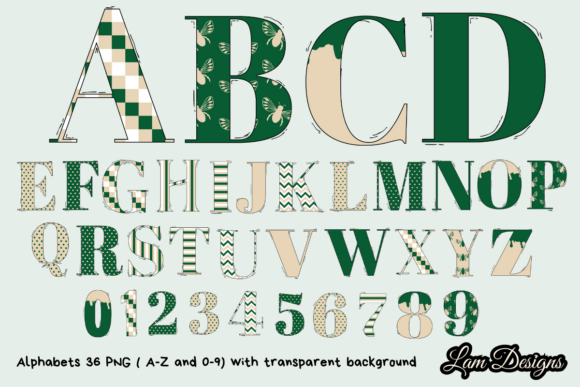
Honey Bee Alphabets and Numbers: A Strategic Design Asset for Creative Professionals
Visual elements play a critical role in shaping perception, reinforcing branding, and enhancing communication across various industries. For entrepreneurs, educators, designers, and marketers, the right imagery can make all the difference. Enter Honey Bee Alphabets and Numbers—a curated set of 36 high-quality PNG images (A-Z letters and 0-9 numbers) featuring honey bees in beige and green color schemes with transparent backgrounds. This design pack is more than just aesthetic; it's a strategic tool that can be intentionally used to elevate visual projects while aligning with thoughtful planning and long-term goals.
Why Honey Bees Matter in Visual Communication
Honey bees are universally recognized symbols of productivity, community, and nature. Their presence in visuals can subtly communicate values like teamwork, diligence, and sustainability—concepts that resonate deeply in today’s market. When you incorporate bee-themed alphabets and numbers into your designs, you’re not only adding an engaging visual but also tapping into a rich metaphorical language that supports messaging about growth, innovation, and purposeful action.
The beige and green palette adds another layer of intentionality. Beige suggests warmth, reliability, and simplicity, while green evokes balance, renewal, and environmental consciousness. Together, these colors create a versatile foundation suitable for both professional and personal applications without clashing with most brand identities or project themes.
Applications Across Industries and Use Cases
When used strategically, the Honey Bee Alphabets and Numbers package becomes a valuable asset for multiple purposes:
- Invitations & Event Design: Whether it's a birthday party, baby shower, or eco-friendly product launch, bee-themed letters can add charm and symbolism. For instance, using “B” for "Birthday" or “N” for "Nature" makes your event stand out while maintaining thematic consistency.
- Classroom Decoration & Educational Materials: Educators can use these assets to create visually appealing learning tools. Think alphabet charts, number flashcards, or even motivational posters that encourage students to think like bees—organized, focused, and collaborative.
- Business Branding & Stationery: Startups and small businesses in the wellness, agriculture, or creative sectors can integrate bee alphabets into logos, letterheads, or packaging to reinforce their mission of harmony, quality, and natural processes.
- Marketing Collateral: Marketers can embed bee numbers in campaigns promoting seasonal offers, such as “Spring Sale – 30% Off,” where the “30” is represented by bee-themed digits. This approach blends creativity with clarity, helping brands differentiate themselves in crowded markets.
- Gift Wrapping & Greeting Cards: Handmade gift items and personalized cards benefit from unique visual elements. Bee letters and numbers can spell out names, dates, or messages in a way that feels both charming and intentional.
- Wall Art & Home Decor: Interior designers and DIY enthusiasts can use these assets to craft meaningful wall art. Words like “Grow,” “Harmony,” or “Create” spelled with bee alphabets can serve as daily reminders aligned with personal or business values.
- Acrylic Tumbler Wrapping: Custom tumbler wraps are a popular way to showcase brand identity or personal style. With transparent backgrounds, these bee alphabets can seamlessly blend with any tumbler design, making them ideal for promotional giveaways or customer appreciation gifts.
Strategic Planning Tips for Intentional Use
To get the most out of the Honey Bee Alphabets and Numbers, consider the following best practices:
- Define Your Objective First: Before selecting which letters or numbers to use, ask what message you want to convey. Are you aiming to inspire? Educate? Promote? Each goal will influence how and where you deploy the assets.
- Align with Brand Values: If your brand emphasizes eco-friendliness, collaboration, or craftsmanship, bee imagery naturally complements these themes. Ensure the color scheme matches your existing brand materials to maintain coherence.
- Use Sparingly for Impact: While it might be tempting to use every letter in a single design, restraint increases effectiveness. Focus on key words or phrases that carry the most weight, such as company slogans, product names, or core values.
- Consider Contextual Placement: Think about how each letter or number will interact with other design elements. Will it guide the viewer’s eye? Enhance readability? Complement text in a subtle way? Positioning matters for user experience and visual hierarchy.
- Plan for Scalability: These PNGs are scalable due to their transparent backgrounds, but ensure they're used at appropriate sizes depending on the medium—whether digital or print. High-resolution files help maintain quality across formats.
Practical Examples of Effective Deployment
Here are some real-world scenarios where this design resource shines:
- Freelancer Branding: A graphic designer who focuses on organic, hand-drawn styles might use a bee-themed “H” and “B” in their logo to represent their name and highlight their connection to nature-based aesthetics.
- Product Launch Counters: A new line of sustainable home goods could feature bee-numbered countdowns leading up to the launch date, creating anticipation and reinforcing the eco-conscious theme.
- Learning Centers: A Montessori school or educational toy brand could create interactive learning kits where children match bee letters to sounds or numbers to quantities, turning abstract concepts into tangible experiences.
- Customer Experience Enhancements: Retailers selling artisanal products like honey, candles, or skincare might wrap acrylic tumblers with bee-themed numerals representing limited edition batches, adding exclusivity and visual appeal.
Risks of Using Without Clear Intent
While the Honey Bee Alphabets and Numbers offer great flexibility, using them randomly can lead to miscommunication or dilution of brand identity. For example, if you're targeting a formal corporate audience, bee imagery may feel out of place unless tied to a specific concept like hive-like team structures or pollination as a metaphor for idea generation.
Additionally, overuse can reduce the symbolic power of the bee motif. Just as with any design element, repetition without variation can make visuals appear cluttered or unprofessional. Always ask whether the inclusion of a bee letter or number enhances the message or distracts from it.
Long-Term Value and Reusability
One of the biggest advantages of this design pack is its reusability. Unlike one-time-use graphics, these alphabets and numbers can be repurposed across different platforms and timelines. Here’s how to maximize their longevity:
- Archive for Future Campaigns: Store the ZIP file securely and organize the letters and numbers in folders based on use case. You’ll find yourself returning to them when planning upcoming events, promotions, or content series.
- Integrate into Templates: Add bee letters to reusable templates for invitations, social media posts, or email headers. This ensures consistency and saves time during future design cycles.
- Build a Thematic Toolkit: Combine these assets with other bee-related icons, textures, or fonts to create a cohesive visual language. This toolkit can evolve with your brand while staying rooted in a recognizable motif.
Decision-Making Guidance for Creators
Creators often face the challenge of balancing originality with practicality. The Honey Bee Alphabets and Numbers provide a middle ground, offering ready-made components that spark inspiration without compromising authenticity. To make informed decisions:
- Sketch Out Concepts: Before diving into software, draft quick sketches of how the bee letters or numbers might fit into your overall layout. This helps avoid last-minute adjustments and keeps the vision clear.
- Test Color Contrast: Even though the default palette is beige and green, test how these colors perform against your background. Adjust opacity or size if needed to ensure legibility and visual harmony.
- Seek Feedback Early: Share your preliminary designs with colleagues or target users to gauge how well the bee elements support your intended message. Sometimes, what feels clever to the creator may not land as effectively with the audience.
How to Approach the ZIP File Like a Pro
Receiving a ZIP file with 36 PNGs may seem straightforward, but the way you manage and implement them determines their value. Consider the following steps to streamline your workflow:
- Extract and Categorize: Unzip the folder and label each image clearly (e.g., B-bee.png, 5-greenbee.png). Group them by type (letters vs. numbers) and color for easy access.
- Optimize for Different Formats: Depending on your use case, resize and format the images appropriately. Some platforms require specific dimensions or file types, so plan ahead to avoid unnecessary work later.
- Create Style Guides: Document how you’ve used the bee letters and numbers in past projects. This serves as a reference point and helps maintain consistency across your portfolio or client work.
- Explore Layering Techniques: Transparent backgrounds allow for creative layering. Try placing bee letters over textured backgrounds or combining them with minimalist illustrations to create depth without complexity.
Positioning for Maximum Effect
Effective positioning involves more than just placing an image correctly—it means embedding it within a larger narrative. Here’s how to do that:
- Anchor Key Messages: Use bee letters to highlight important terms like “Goals,” “Results,” or “Innovation.” This draws attention to your core message and strengthens retention.
- Support Storytelling: In blog posts or marketing copy, pair bee numbers with milestones or achievements. For instance, “Our 5th Year of Sustainable Growth” with a bee-styled “5” reinforces the theme visually and symbolically.
- Enhance User Engagement: In classroom settings or workshops, bee alphabets can turn dry content into interactive experiences. Students are more likely to engage with letters they see as part of a fun, memorable story.
Conclusion: Elevating Design Through Purposeful Use
Incorporating the Honey Bee Alphabets and Numbers into your creative process isn’t just about aesthetics—it’s about building meaning through design. When chosen and applied thoughtfully, these assets become part of a larger strategy that communicates value, fosters engagement, and builds trust with your audience. They support your efforts in areas ranging from branding and operations to education and customer experience, proving that even small design choices can have big impacts.
As with any resource, the key lies in intentional application. Understand your goals, assess the context, and let the bee elements enhance—not overshadow—your message. Whether you're wrapping a tumbler, designing a greeting card, or crafting a presentation, these alphabets and numbers are there to help you achieve better results with smarter decisions.